
Green Tech
Crematoria Are Being Used to Heat Homes and Swimming Pools
European countries are utilizing heat from crematoria to warm homes and swimming pools.
EVs, renewables and climate tech.
European countries are utilizing heat from crematoria to warm homes and swimming pools.
Industry groups are calling for concrete measures to scale battery material recovery in Europe ahead of the Circular Economy Act.
An investigation into the environmental cost of TSMC's semiconductor plant in Arizona, specifically its massive daily water consumption.
A review of the Reencle Essential, a more affordable version of the company's kitchen composter.
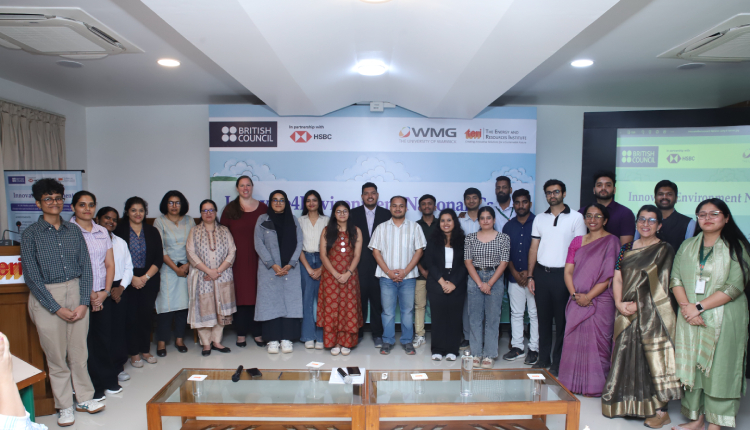
TERI and the University of Warwick hosted the Innovate4Environment National Camp for youth-led climate innovation in Gurugram.
Construction materials were among the standout exhibits at the Greenbuild International Conference and Expo 2026 held in New York.
Louisiana environmental agency approves air permit for Hyundai's proposed steel plant despite concerns it falls short of clean facility promises.
Climate tech startups continue to grow despite a broader funding slowdown in the sector.
Indian cities face rising heat and economic risks; policymakers must prioritize long-term urban climate resilience rather than incremental fixes.
A US startup has demonstrated space-based mirrors to reflect sunlight onto Earth at night, generating criticism from scientists, environmentalists and local residents.
Google cleared approximately 250,000 trees at a Finnish data centre site before completing its environmental assessment, affecting 330 hectares near the Oulujoki river.
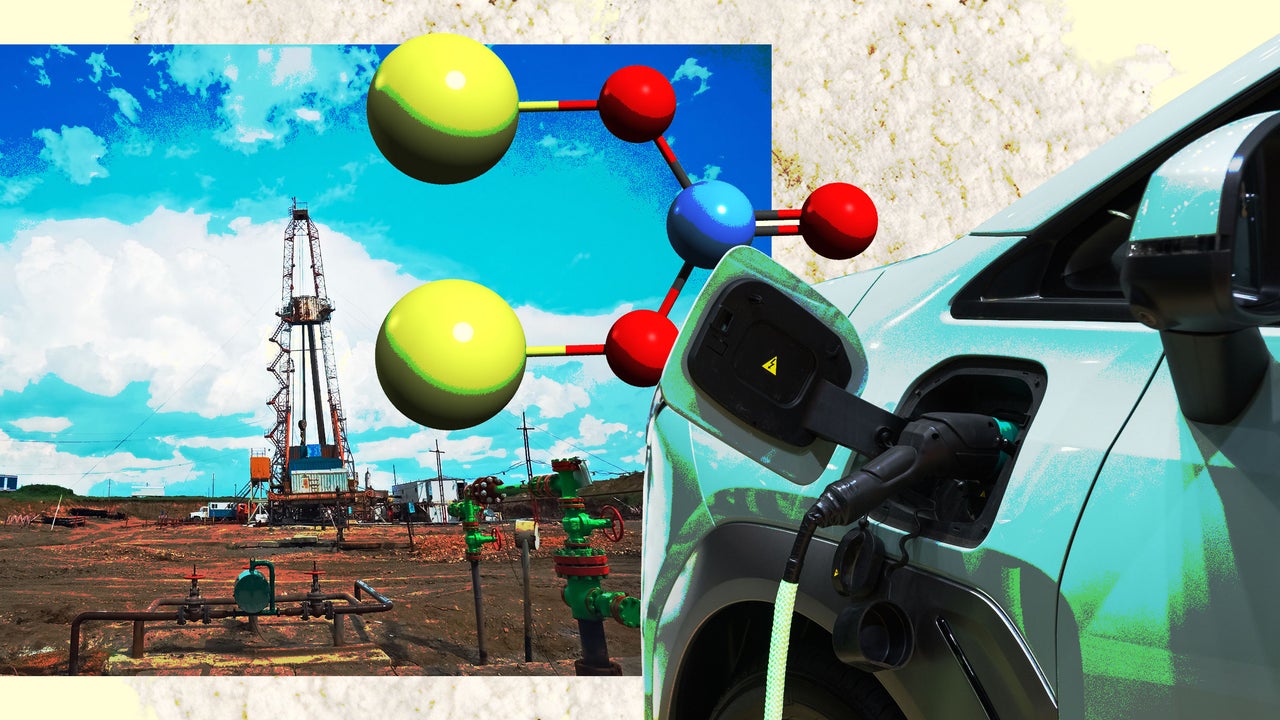
Element3, a Texas startup, is extracting lithium from oil drilling wastewater in the Permian Basin to produce EV battery materials, converting a petroleum industry by-product into clean energy resources.
Finnish biotech company Volare completed Volare 01, a €15M industrial insect protein factory in Finland, achieving a 1,000x scale-up from its pilot plant and securing €7.1M in additional funding.
Logitech launched Chain Reaction, a global supply chain decarbonization program enabling suppliers to reduce emissions through renewable energy aggregation and operational optimization toward 2030 climate goals.
Permafrost thawing releases methane and CO2 from organic matter frozen for millennia, forming a climate feedback loop and representing a major gap in climate change understanding.
Canada's 2026 climate report warns that iconic glaciers may disappear by 2100 as climate impacts accelerate across the nation.
Scientists are developing methods to remove PFAS (forever chemicals) from water and soil, addressing contamination linked to health risks including fertility and cancer.
Neo San, an Indian cleantech startup, is deploying compact thermal treatment units to process non-recyclable waste at source rather than transporting it to distant landfills.