The internet is having a very bad cybersecurity day
Multiple security vulnerabilities surfaced this week, including AI-discovered PHP flaws, Node.js issues, and problems in the LiteLLM AI tool, creating urgent concerns for cybersecurity teams.
Cloud, cybersecurity, SaaS and B2B innovation.
Multiple security vulnerabilities surfaced this week, including AI-discovered PHP flaws, Node.js issues, and problems in the LiteLLM AI tool, creating urgent concerns for cybersecurity teams.
Security teams must shift from fixing all vulnerabilities to prioritizing meaningful exposures based on realistic exploitability and business impact.
The cybersecurity landscape faces a 'Patch Apocalypse' as nearly 48,000 CVEs were published in 2025 with exploit windows collapsing to roughly five days, forcing enterprises to shift from reactive patching to risk-based automation.
CISA is warning that attackers are actively chaining four Plex Media Server vulnerabilities in 'Plex2Shell' attacks to breach servers.
LiteLLM's release process was compromised and a malicious version distributed via PyPI and Docker, containing malware to steal cloud credentials and a remote access trojan.
Northeastern University research reveals that Samsung, Vizio, and Roku smart TVs continue sending data to tracking endpoints even after users disable tracking in device settings.
OpenAI and Google researchers discovered critical security vulnerabilities in PHP infrastructure, highlighting the dual nature of AI in both preventing and introducing risks.
Signal's RingRTC calling library contained a critical vulnerability (CVE-2026-113380) that could prevent calls from ending properly, potentially leaving audio and video active after hangup.
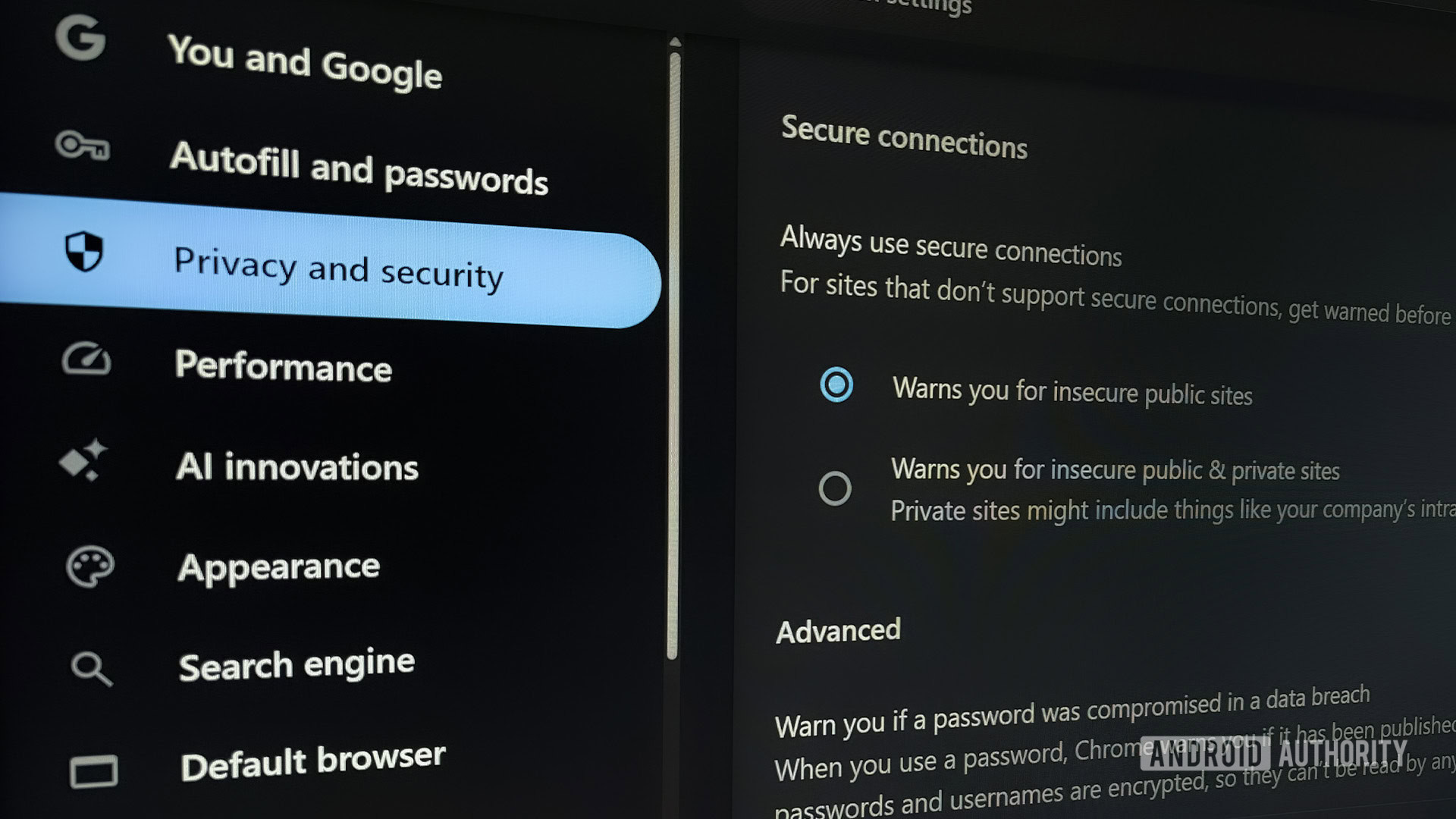
Google is now enabling Chrome's 'Always Use Secure Connections' setting by default for all users, warning before connecting to insecure HTTP websites.
eMudhra co-founder stated that compromised digital certificate keys were never deployed commercially and had no impact on subscribers or other business lines.
Google Chrome now displays warnings for suspicious or dangerous websites, using two distinct alert levels to help users identify potential security threats.
PHP developers released patches for critical vulnerabilities; EU officials warned organizations to take vulnerable websites offline if patches cannot be applied immediately.
The PHP Foundation disclosed that it discovered one of two critical flaws in 2024 but took months to agree on a fix before this week's patches.
Website administrators worldwide are preparing for impact following disclosure of a major PHP flaw.
Critical PHP vulnerabilities affecting nearly 70% of websites are being actively exploited, allowing attackers full server control and causing widespread outages.
YouTube introduces new security measures to protect compromised creator accounts, including feature restrictions and providing owners with details about account pauses.
PHP releases emergency patches for two critical remote code execution vulnerabilities (CVSS 9.2) affecting all PHP installations; organizations urged to patch immediately or take systems offline.
Security experts warn that PHP vulnerabilities could potentially affect up to 70% of websites on the internet.