
Enterprise
US government says hackers are now exploiting critical PHP web bugs
U.S. government warns that hackers are exploiting critical vulnerabilities in PHP, the software used in 70% of web applications.
Cloud, cybersecurity, SaaS and B2B innovation.
U.S. government warns that hackers are exploiting critical vulnerabilities in PHP, the software used in 70% of web applications.
Tailscale has identified nearly a dozen security vulnerabilities that could enable credential theft, server crashes, and root privilege escalation, which the team is working to patch.
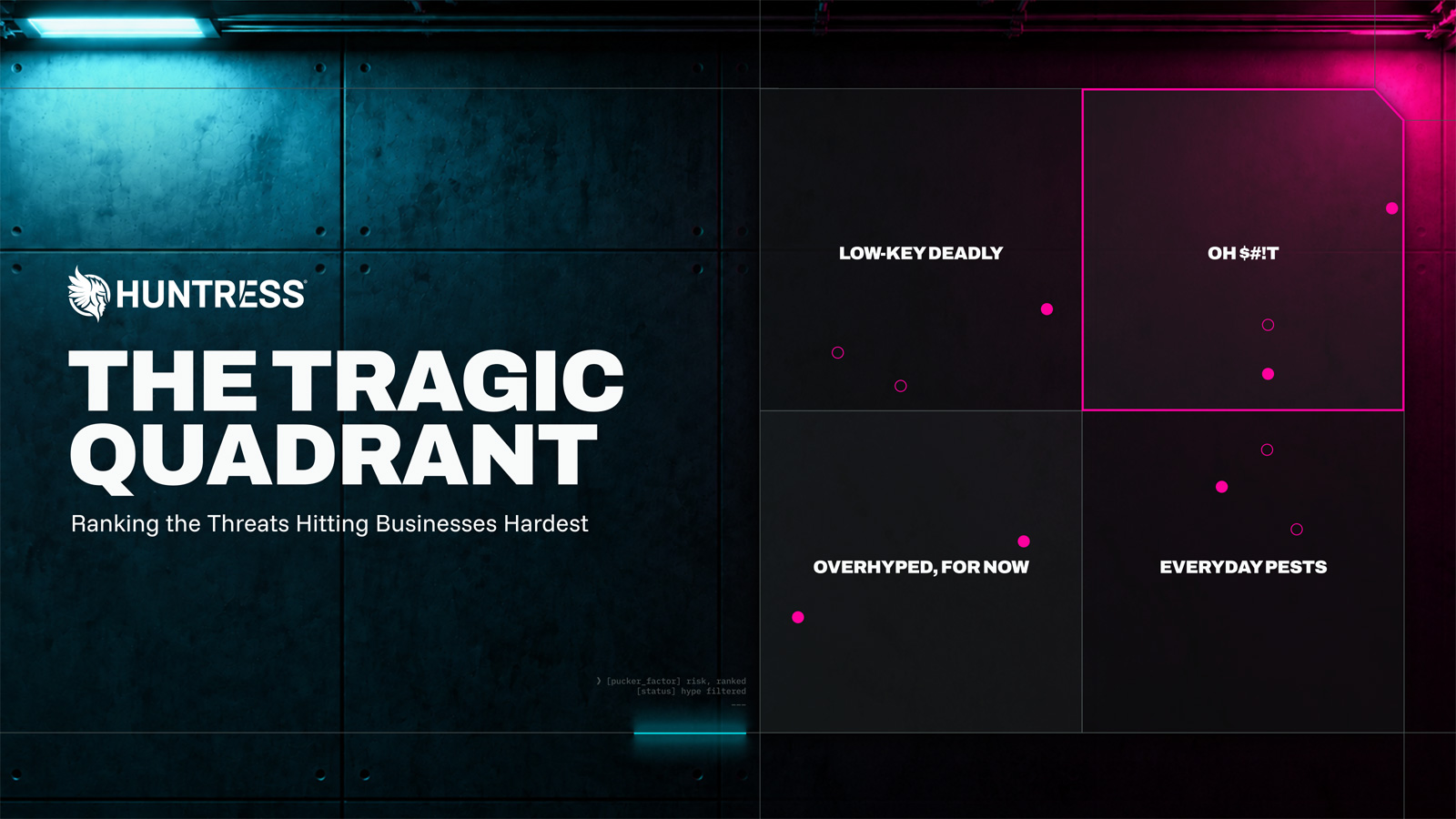
Huntress Labs has identified and ranked the most damaging business threats, highlighting attackers' growing abuse of legitimate IT tools and Microsoft 365 to bypass traditional defenses.
Check Point introduces a subscription-based firewall service with AI-powered threat prevention and management, eliminating upfront hardware costs for organizations of all sizes.
NSE chief calls for task force against AI-driven cyberattacks, urging Indian stockbrokers to strengthen security and prepare for quantum computing threats.
Japanese internet company GMO Internet is investigating an alleged data breach after suspected hackers posted stolen customer data from its cloud service.
Bitdefender launches GravityZone Exposure Management, a tool that maps attack paths and shows how attackers could exploit vulnerabilities to reach critical systems.
Over 525,000 individuals affected in data breach at University of Copenhagen.
Containers and default security measures are insufficient for isolating AI agents in enterprise environments; proper sandboxing requires multi-layer security policies across infrastructure.
Microsoft released an out-of-band Windows certificate update for devices unable to access automatic updates, following a compromised eMudhra certificate incident. The patch addresses certificate trust list updates for Windows 10, 11 and Server 2025.
Researchers at Trend Micro discovered that an Israeli ad tech firm targeted Starlink users with unusually high numbers of ads, apparently to track their activity.
Dell Technologies expanded its cyber resilience portfolio with PowerProtect software for identity systems, plus new AI environment services and quantum-safe storage capabilities.
FireMon unveiled FireMon Agentic AI, an AI agent system designed to automate firewall policy changes across multiple vendors and cloud environments.
A commentary by Checkmarx Research argues the eMudhra browser certificate vulnerability reveals deeper trust infrastructure issues beyond browser implementation.
A cyberattack on the hosting provider for Germany's AfD party exposed over 345,000 email addresses and a terabyte of confidential data in September.
CoinDCX, an India-based crypto exchange, admitted to a Rs 152 crore loss after initially denying a security breach involving its deprecated wallet infrastructure.
Apple backported security patches for a CoreGraphics zero-day vulnerability to older iPhones and iPads after the flaw was exploited in sophisticated targeted attacks.
Researchers have developed a forensic tool that can recover deleted AI conversations from local AI apps on Android devices, raising privacy concerns about the persistence of supposedly erased chat data.