Startups
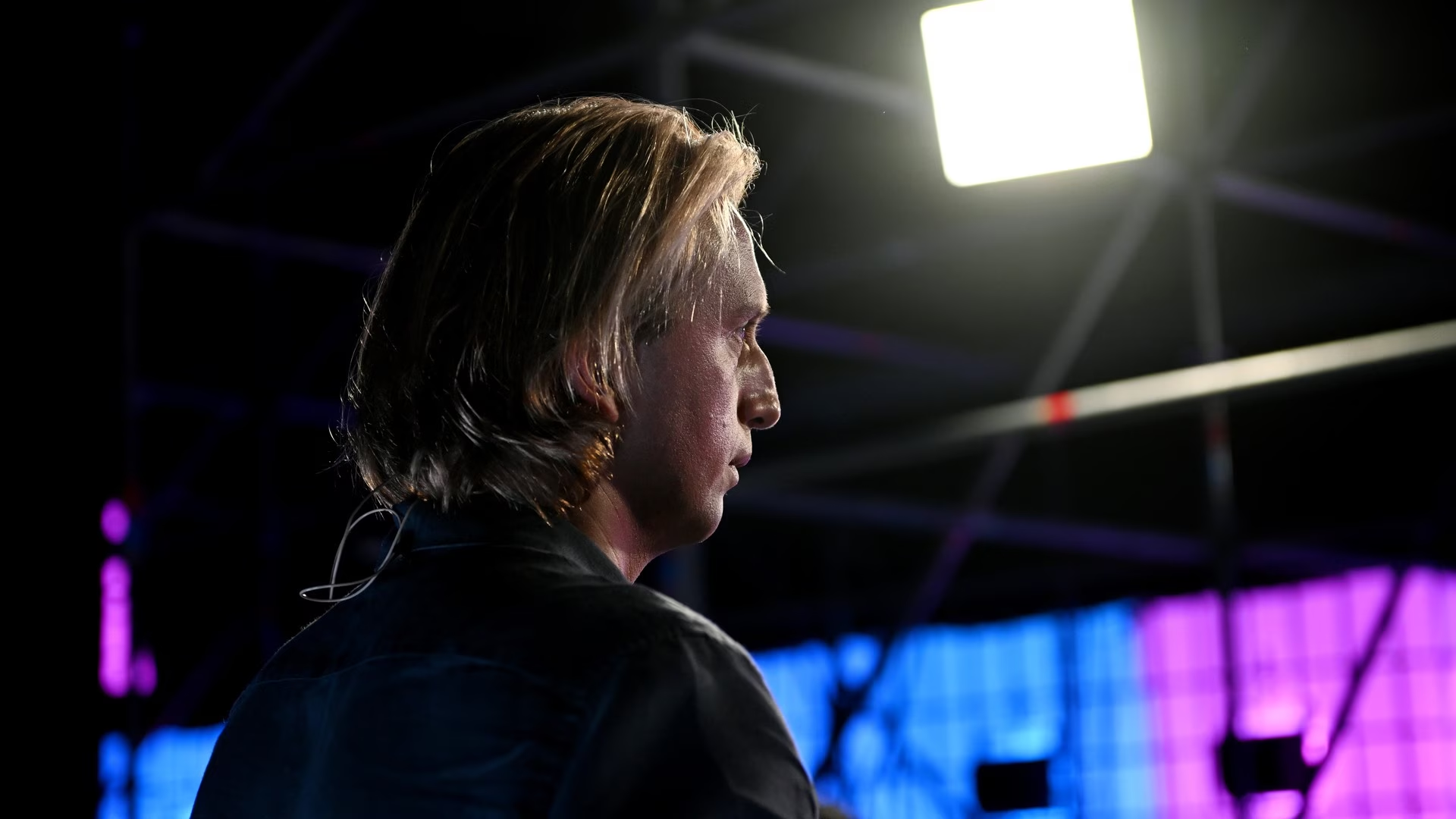
Nik Storonsky says VCs can be ‘dangerous’, so Revolut’s board has none
Revolut CEO Nik Storonsky argues against having venture capitalists on company boards, describing them as potentially dangerous.
Founder talks, leader Q&As and conversations.
Revolut CEO Nik Storonsky argues against having venture capitalists on company boards, describing them as potentially dangerous.
Iwoca CEO Christoph Rieche discusses the origins of the UK small business lender and his early interactions with venture capital.
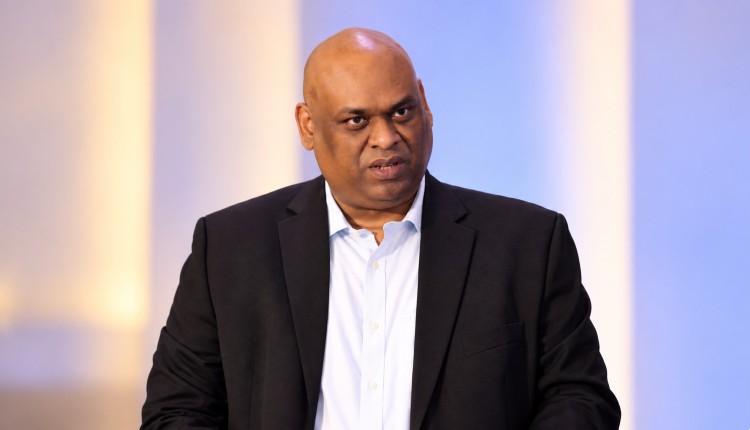
Omio founder Naren Shaam advises entrepreneurs to focus on solving difficult problems and thinking globally from the start.
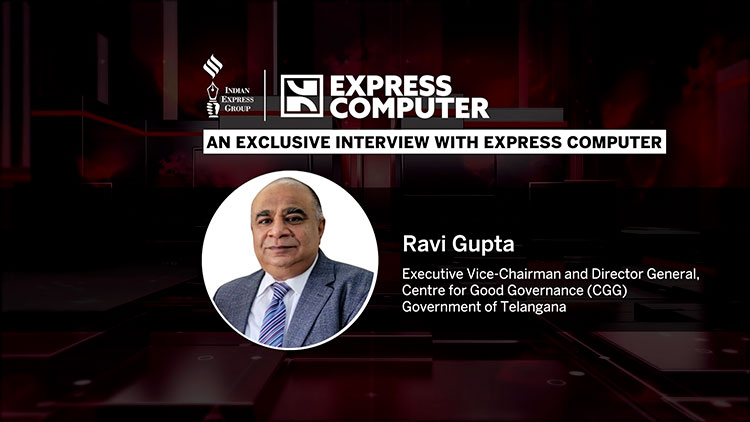
Ravi Gupta of the Centre for Good Governance discusses the evolution of e-governance toward more intelligent, citizen-centric services.
Apple VP Dave Pakula discusses the design and display updates of the new iPad mini.
An interview discussing Anthropic's S-1 filing and its potential Nasdaq IPO valuation between $1.5 trillion and $2 trillion.
Instagram head Adam Mosseri said in a podcast interview that negativity toward AI is widespread and will continue to worsen, particularly among creative professionals and young people.
Apple executives including CEO John Ternus discuss the company's decision to add a touchscreen to the MacBook Pro, breaking from its longstanding design philosophy.
Twilio director discusses how AI improves customer service across multiple communication channels and the role of customer obsession in innovation.
Lithuanian startup PDKINEMATICS, founded by former private equity manager Rapolas Markevičius, develops precision-guidance systems for drones, emerging from the geopolitical crisis following Russia's invasion of Ukraine.
Lilly Chen, CEO of FSH Technologies, shares her unconventional path from monk to engineer to building government software for civic applications.
Mphasis executive Ravi Vasantraj argues that AI models are becoming commoditized and emphasizes enterprise value lies in practical application and outcomes rather than model ownership, as enterprises remain in early adoption stages.
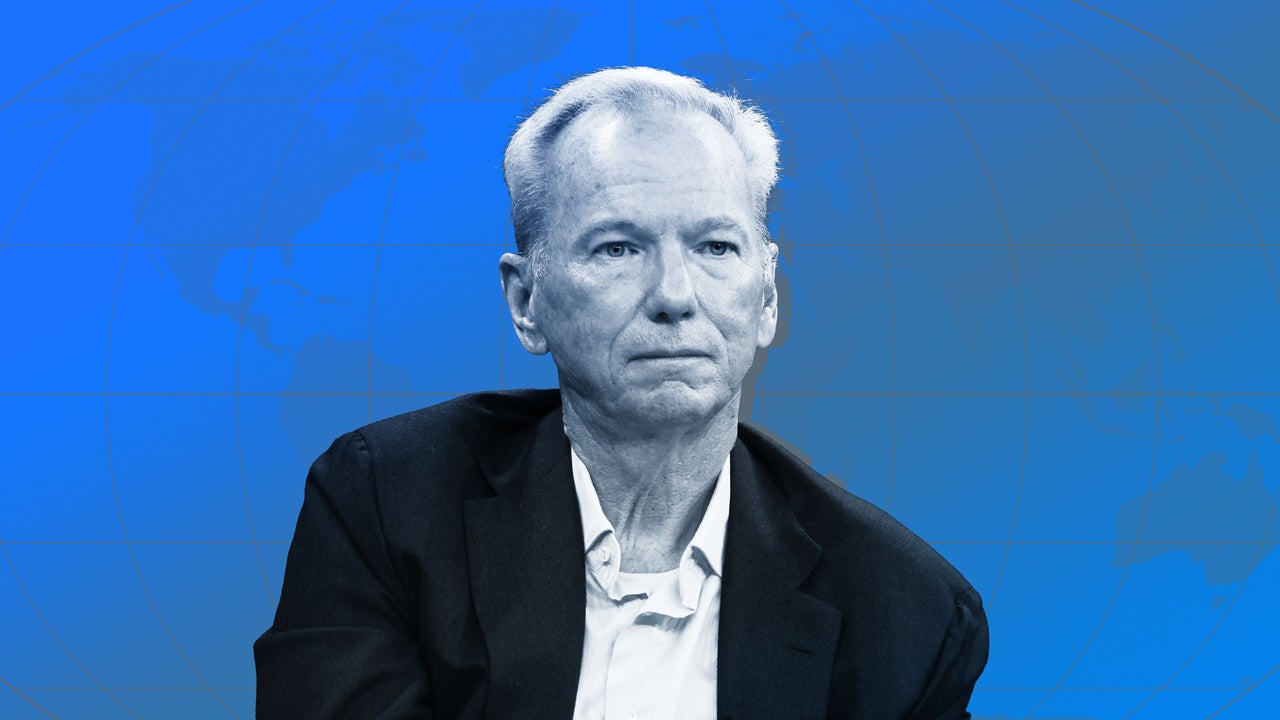
Eric Schmidt, former Google CEO, says the AI gap between the U.S. and China has narrowed from two years to six months, citing reduced software costs and competitive advancement.
TestGrid CEO Harry Rao discusses how software testing is transitioning from traditional maintained scripts to AI-powered agents.
L&T's Group CIO discusses how intelligent manufacturing requires human-centered approaches rather than fully automated operations.
Snabbit founder Aayush Agarwal discusses the company's positioning in the home services market opportunity on The Brand Equity Show.
Yatish Rajawat of Hundred Million Jobs argues that capital no longer drives employment at scale in India, with automation and AI disrupting even labor-intensive roles.
Godrej Capital's CTO discusses the challenge of scaling AI pilots to measurable business impact in Indian financial services.