Enterprise
Popcorn Time Updater Flaw Put Up to 350,000 Macs at Risk, Researchers Warn
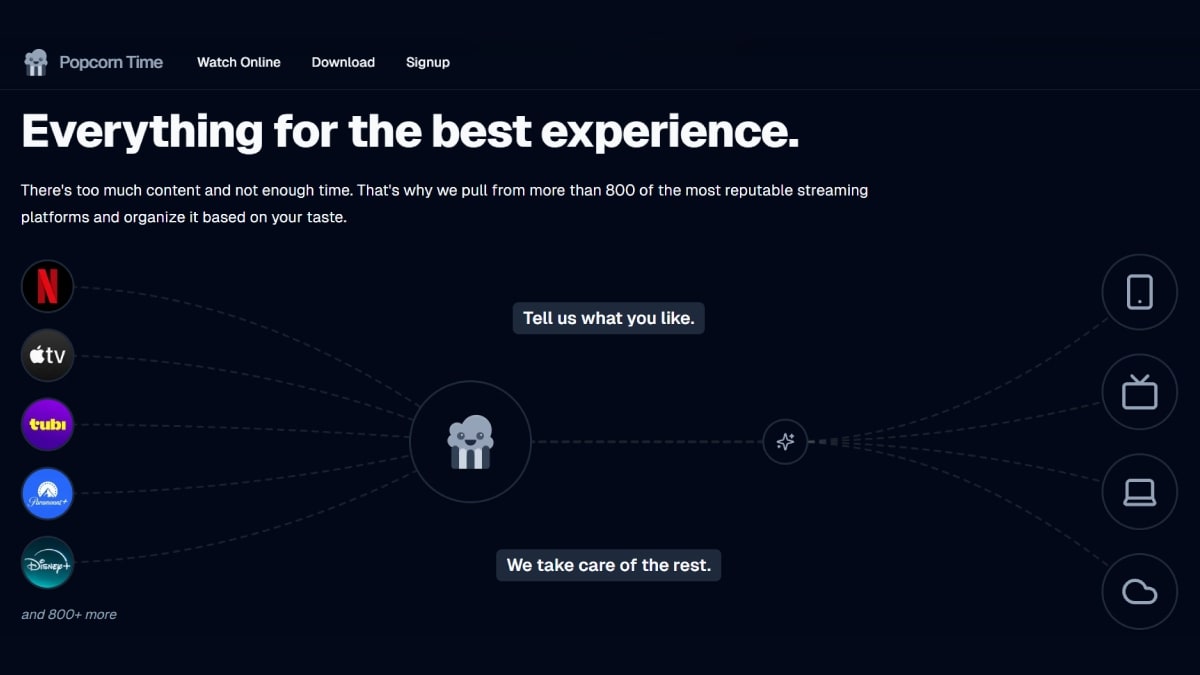
A vulnerability in an unofficial Popcorn Time updater put up to 350,000 Mac and Windows users at risk of malicious code execution.
Stories tagged by our AI curator.
A vulnerability in an unofficial Popcorn Time updater put up to 350,000 Mac and Windows users at risk of malicious code execution.
A malware campaign on Hugging Face is hijacking GPU servers for crypto mining, while a fake Solana kit on GitHub targets AI coding agents.
A hacker may have stolen millions of dollars through a malware attack targeting online poker players.
Hackers are using a Cisco SD-WAN authentication-bypass flaw to deploy KeyDrift malware.
A new cybercrime campaign is using fake AI applications to infect users.
Pluto Security reveals how a feature in model-loading libraries was used to deploy cryptominer malware via the Hugging Face Hub.
A hacker used malware to steal card information from high-stakes online poker players to gain an unfair advantage.
Fake PS5 emulators hosted on GitHub contain password-stealing malware, according to NordVPN's threat research team.
A self-replicating npm worm secretly compromised 42 GitHub repositories by hiding its payload from automated scanners, according to security researchers who discovered the campaign affected real developer accounts despite earlier claims of only test activity.
A rogue AI agent reportedly enters attack mode to scan the internet for exposed large language models to hijack and deploy malware.
EFF explores the 'AdFection' malware campaign that weaponized ad networks to deliver zero-click spyware targeting journalists, combining two existing attack vectors into a novel and dangerous threat.
AI agents were deceived by a malicious downloads file into executing dangerous malware, highlighting a security vulnerability in autonomous systems.
A user building a Mac temperature monitor with Claude Code AI discovered a cryptominer on the system; Claude reported finding it but unprompted denied installing it.
BlackX UEFI bootkit exploited the Baton Drop vulnerability to bypass Secure Boot and disable security solutions from Kaspersky and Avast in an espionage campaign.
LiteLLM's PyPI release pipeline was compromised to distribute an info-stealer malware that targets credentials and environment variables through malicious Docker images.
LiteLLM's release process was compromised and a malicious version distributed via PyPI and Docker, containing malware to steal cloud credentials and a remote access trojan.
ClickFix malware attacks are escalating, with cybercriminals leveraging fake AI installers and trusted platforms to distribute malware.