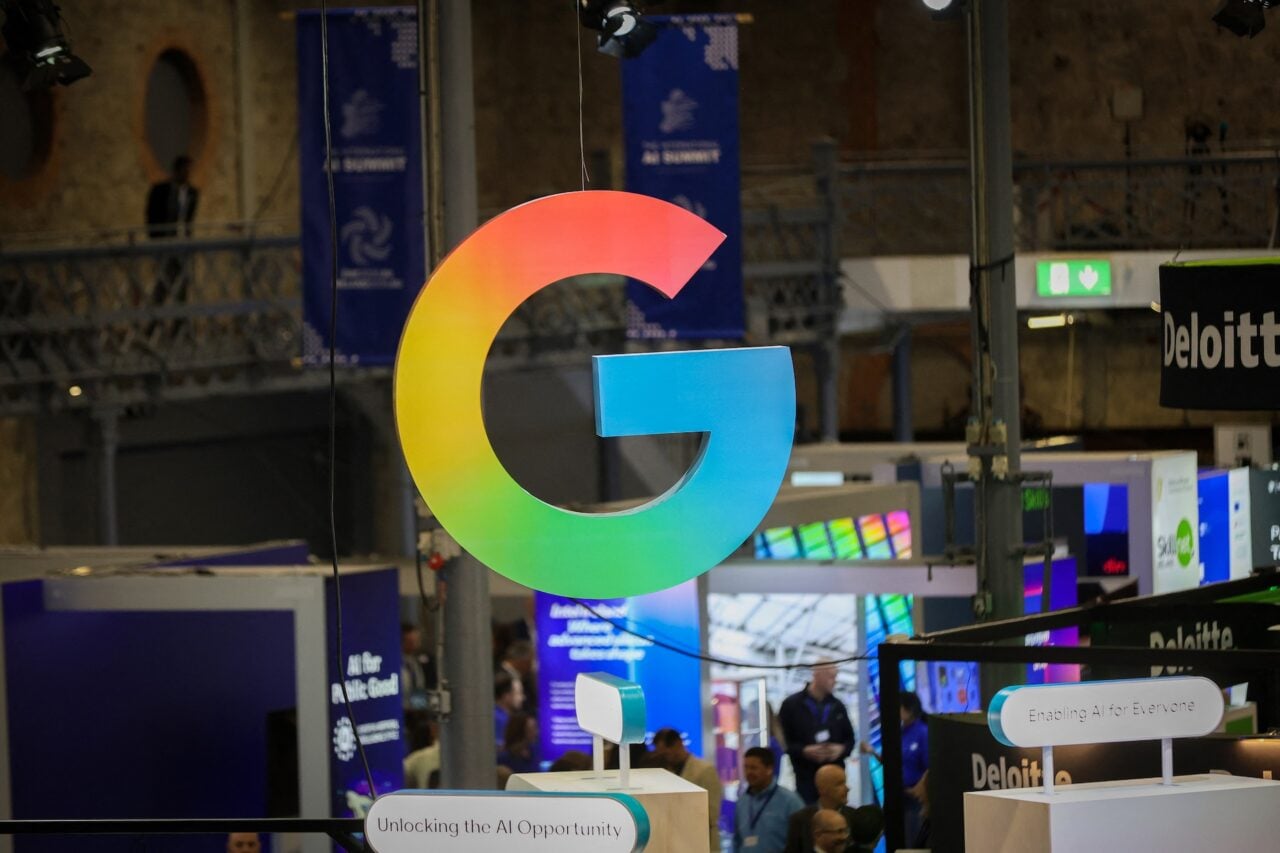
Google Summaries Aren't About AI, They're About Lock-In

Whether they call it AI summaries, knowledge panels, or AMP, Google takes actions that are less about functionality and more about locking you into its own ecosystem. Knowing that makes it possible for all of us to choose better services than Google's, defeating their anticompetitive goal. In this case, as it is so often, knowledge is power.
In the old days, when dinosaurs roamed the earth and getting online involved your computer making eldritch shrieking, Google was a website that took whatever you typed in and gave you a list of links that best matched what you were searching for. As it's grown beyond that, however, the core function of Google Search has moved from giving you the best answer to your query to a number of other things, most of them about making money for Google.
This is obviously not a new observation. It's at the core of what EFF Special Advisor Cory Doctorow named "enshittification." But it's important to remember that whatever shiny new name or technology is wrapped around these tools, it's not about the wrapping, it's about the monetization.
In the case of Google Search, the company has a history of rolling out new "features" that are less helpful to the searcher and more designed to keep you and your data within the Google ecosystem. One easy example of enshittification is putting sponsored links and ads at the top of search results, forcing you to scroll down past a bunch of not relevant links to get to your answers. Or, in some cases, accidentally clicking on sponsored links that might be designed to give you the opposite information of what you're looking for or for a competitor to the product you intended to buy.
The other clumsy version of this is Google's self-preferencing, where Google's own services—say YouTube if you're looking for a video—are weighted so that they appear at the top of a search over a competitor's. Similar to this was Google's push for websites, particularly news ones, to be made available via what it called "Accelerated Mobile Pages" or AMP, which in theory stripped out features that might make loading a page on mobile too slow, but also handed over control of how webpages looked on mobile to Google and turned mobile links, often by default, into Google links.
But the other way that Google has historically kept your—and your valuable eyeballs—on its website has been to just obviate the need to even click on a link and leave Google at all. The first version of this was what Google calls "knowledge panels." These are snippets of information shown on the results page of a search that purport to answer your question. Knowledge panels predate the AI push and haven't always been what you could call accurate.
Knowledge panels are extremely similar to the AI summaries we now see at the top of Google Search results, except that instead of pulling quotes from specific linked sources, it's the AI doing the summarizing, though also sometimes with links. They are basically the same thing, mostly changed only in branding, because AI is now the cool kid on the block. The goal is essentially the same—it's less about providing you with the best answer to your query and more about making you think it's unnecessary to click a link and leave Google's ecosystem. And, more importantly, it keeps you on Google's pages longer to read the content. More time on the page is more time exposed to ads and sponsored links and more money for Google.
The biggest irony here is that it didn’t even work. People choosing to use “AI mode”—and possibly made accustomed to getting information as text instead of links through the knowledge panels and the AI summaries at the top—has caused “lower monetization” via ads. Ads, remember, are Google’s main source of revenue. Like newspapers before them, Google is finding that counting on a monopoly on ad space maybe isn’t the most sound strategy in a shifting technological landscape. And to get out of the hole it has made for itself, it is lighting cash on fire to try to get back on top. Perhaps they should consider pivoting to video.
Every time you see a feature like this, no matter what it is called or what "new" technology they claim fuels it, remember that it is Google's monetary incentives that drive the decisions and not necessarily the tech itself. And you can always choose to ignore it, scroll past, disable it, or even go to another service entirely.