Figuring out where cosmic neutrinos come from is tricky - radio telescopes could help find where these ‘ghost particles’ originate
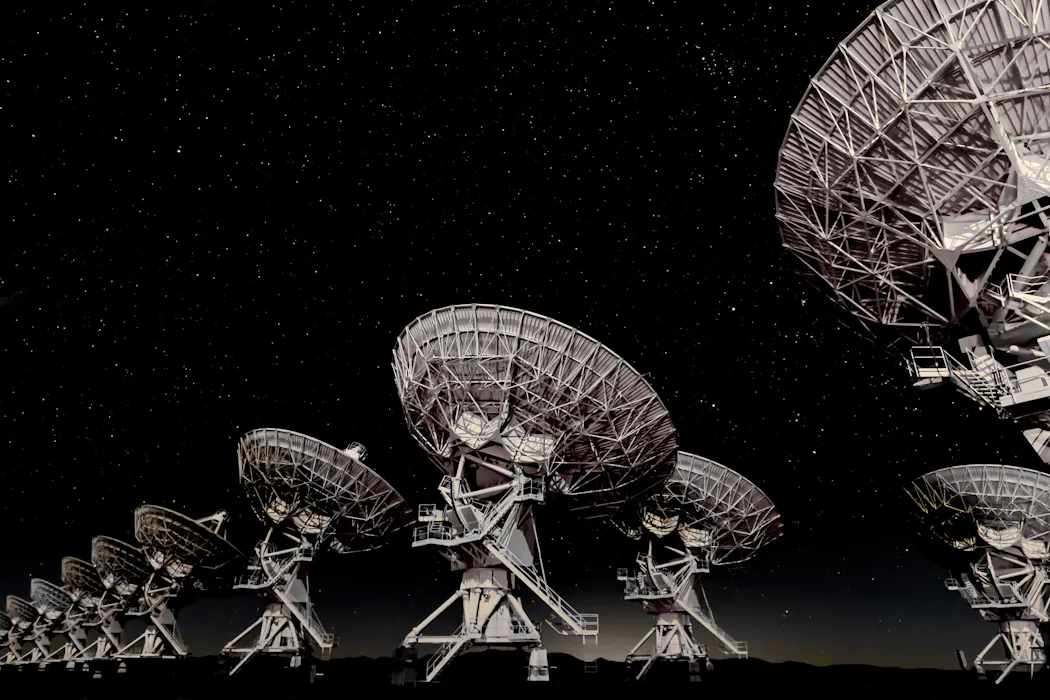
Neutrinos are nearly massless particles that rarely interact with matter, making their origins difficult to trace. A study published in October 2026 proposes matching IceCube detection data with radio telescope observations to pinpoint the astrophysical objects producing these particles.
Key points
- Neutrinos are elusive particles that can originate from sources ranging from bananas to supernovas.
- The IceCube experiment was designed to detect these particles from astrophysical events.
- Radio telescopes may be used to correlate IceCube detections with specific spatial sources.
Summary and key points written by AI from the headline and a short excerpt, so they can be incomplete or wrong. The Conversation Tech did the reporting; read the original for the full story.
Read the full story at The Conversation Tech