
Human rights could improve – or worsen – based on how nations use the UN treaty against cybercrime
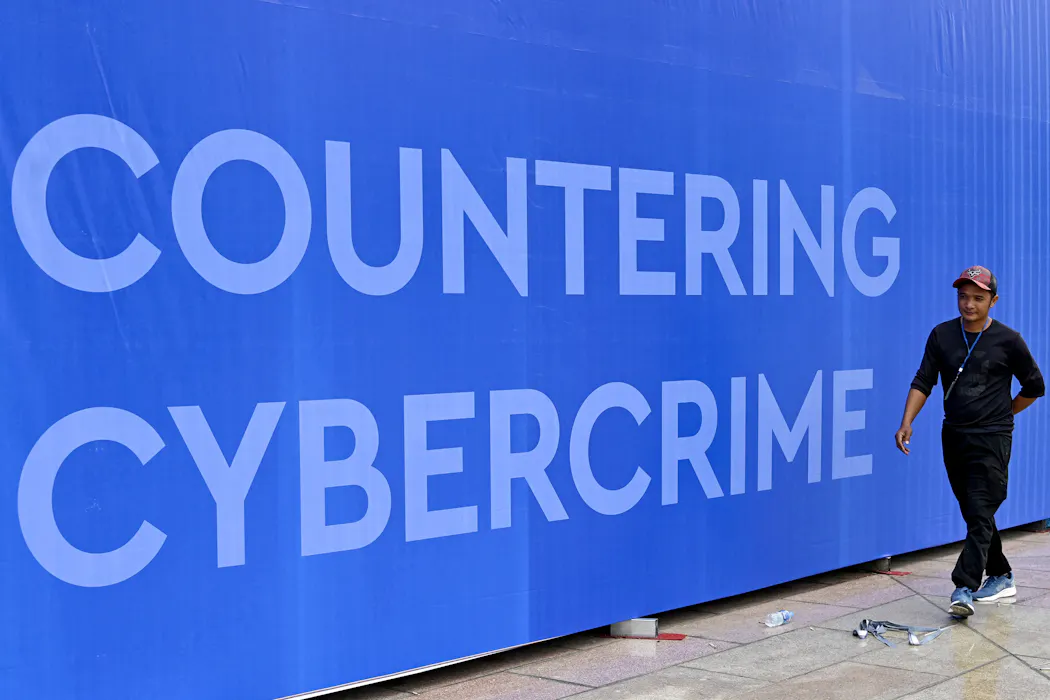
The UN Convention against Cybercrime, signed October 2025, targets online criminal activity and supports victims while protecting privacy and safety. However, civil society groups argue the treaty's vague wording could enable governments to criminalize legitimate online speech and activities. Particular concerns exist for whistleblowers, journalists, activists and researchers in rights-restricting countries. The convention requires 40 ratifications to enter force; as of October 2026, 95 nations signed but only three ratified it.
Key points
- First UN treaty targeting cybercrime; protects rights like privacy and dignity online
- Critics warn vague language enables authoritarian misuse against activists and journalists
- Legal gray areas heighten risks for whistleblowers and vulnerable groups
- 95 nations signed; only 3 ratified as of October 2026
Summary and key points written by AI from the headline and a short excerpt, so they can be incomplete or wrong. The Conversation Tech did the reporting; read the original for the full story.
Read the full story at The Conversation Tech